Showing posts with label Japanese Culture. Show all posts

Sunday, June 9, 2013

Last Festival in Japan


There are countless local festivals in Japan because almost every shrine celebrates one of its own. We really enjoyed going to these festivals. We'll miss everything about them... yukatas, lanterns, bananas on sticks, tacoyaki stands, carnival games, fireworks, but most importantly spending time with good friends and being fully immersed in the Japanese culture. Ok, let me rephrase that, we'll miss almost everything about the Japanese festivals - we will NOT miss the crowds, intense summer heat, or mosquitoes. I swear I'm allergic to the mosquitoes in Japan - I swell up and get big welts!


Our last festival, and Elodie's first kiss. She'll surely miss her Shaun-Shaun.

Saturday, June 1, 2013

Tokoname

Tokoname is a small city south of Nagoya known for its pottery. It's actually one of the six historic pottery towns in Japan. Tokoname has a long history and tradition of pottery making, dating back 900 years!

There is a "pottery path" filled with traditional houses, workshops, galleries, and buildings with unique character and charm. The path has remained unchanged, keeping its pottery-town atmosphere unique to Tokoname. Visitors and locals come here to shop, and enjoy the sites and history of this small, charming town. 


I have been to some of the shops in Tokoname several of times; but I have never walked the historic pottery path. Knowing our time in Nagoya was coming to an end, this was a must-do on my list! Thankfully Yumi went with me, showed me around, and enjoyed shopping for pottery together.


Those of you who know me well know that I collect pitchers. This was the PERFECT addition to my collection. It has a unique design and is loaded with beautiful blue and turquoise colors; but most importantly, it was handmade by a local artist in Japan - and it will always remind me of our incredible journey living abroad.

Wednesday, April 10, 2013

Washi Eggs


Today I went to a washi egg decorating class. The pic above was taken from google images, and is what the eggs are supposed to look like when finished.

They are called washi eggs because of the "washi" style paper used to decorate them. I think most are made out of ceramic or real eggs, but we used wooden - because let's be real - after all the hard work of making them we don't want our kiddos to break them. ;)

It's quite the process of measuring the paper, drawing the appropriate lines, cutting it to the right dimensions, and then folding it ever so gently around the egg while trying to smooth out the glue.


I went to the paper store over the weekend and picked out a variety of prints, which you can see above. I'm excited to try out all of them and make eggs with each pattern. I managed to almost complete 2 eggs during the class, however, they still need to dry and then I have to finish by painting them with lacquer... actually, our teacher said they will need several coats of lacquer.

I love the eggs so far, and I think they will be a really cute decoration in our future house. Let's just hope I stay motivated to complete all of them. Do you remember the yukata I was working on? It's still sitting unfinished in my closet. Apparently sewing is NOT my thing. But I generally like crafts, so I think this will be a fun project for me!

Thursday, April 4, 2013

Spring is here!

Spring is here, and it's bittersweet this year. I love spring time - the sunshine, blue skies, warm weather, birds chirping, flowers blooming... the time of year we can take off our winter coats and enjoy being outside before it gets brutally hot.

But sadly, this our last spring and cherry blossom season in Japan.

I feel fortunate that we've been able to experience the beautiful Japanese cherry blossoms four seasons in a row. Wow, is this really our fourth spring here? Amazing how quickly time goes by.

It's absolutely stunning here in the spring time, and probably my favorite season in Japan. But as much as I enjoy the beautiful sakura season, I'm ready to go home.


It is unusually warm in Japan right now, so the flowers bloomed a bit early this year. Luckily, I made it back just in time to see the peak. It's fun to look back at prior posts to see what I wrote about in previous years. Here are the links if you also want to revisit them:

2010: Sakura is here!
2011: Hanami
2012: Hanami ~ Cherry Blossoms

Sunday, March 3, 2013

Hina Matsuri - "Girls Day"

Hina Matsuri is also known as Girl's Day, or the Doll Festival. On the 3rd day of March, families celebrate their pride in their daughters by displaying dolls of the Emperor and Empress in a prominent place in the home. These dolls are not played with. They are usually gifts from the grandparents or inherited from the girl's mother, and are quite delicate and expensive! They are unwrapped with ceremony, admired for a few weeks, and then put back into their boxes. One popular superstition says that if the dolls aren't returned to their boxes soon after the 3rd, the daughters will not get married.


Girls often dress in kimono for the occasion, make hina dolls out of paper, drink special sweet sake made without alcohol, and eat special food sweets such as "Nama-gashi" made from sticky rice and sweet beans.

Since we are in Michigan right now, we can't exactly celebrate Girl's Day the proper way. But not to worry, Elodie still got plenty of presents. I went to my first Mom-2-Mom sale at an elementary school with my good friend Kitty.


I got loads of goodies - board books, Noah's Ark play book with animals set, the dog you can see in the photo that sings all sorts of songs (Elodie LOVES him), a snowsuit for next year, 4 pairs of shoes, and tons of clothes. I walked out of the school carrying 3 grocery bags full of stuff, and only spent $22. What a deal!

Another reason I'm looking forward to moving back to the U.S. - SALES! Cheaper prices, more variety, better toys, and cuter baby/toddler clothes. :)

Friday, February 22, 2013

Hadaka Matsuri - "Naked Man Festival"

When most people think of Japan, they think of peaceful shrines, respectful people, Tokyo, electronics, and sushi. But did you know that there is an annual naked man festival here? Yep, Hadaka Matsuri, or "Naked Man Festival," is held nationwide.

photo from here

Konomiya Hadaka Matsuri is the closest one to Nagoya, held on Friday, February 22. Darn, we fly to Michigan this day, so sadly we'll miss it. ;) 

The festival dates back to 767 when the local governor initiated the festival in an attempt to ward off a plague epidemic sweeping the country. Apparently 10,000 nearly naked men will participate in this festival, attracting about 300,000 spectators! The main event starts when a chosen male volunteer, designed at the "lucky" Shin-Otoko,  re-enacts an old ritual of being chased around a shrine naked, caught, beaten, and then driven out of town taking all bad luck with him. There are numerous events leading up to the climax, but basically for about an hour after he appears, he becomes the center of attention as thousands of now intoxicated naked men try to touch him to get rid of misfortune for the new year.

photo from here

I read that it's brutal and barbaric, yet traditional, and of course just plain weird to a foreigner. Interested in reading more? You can here, here, and here.

Just thought you should know what we're missing out on to come home. ;) 

またね Nagoya!

Thursday, February 7, 2013

TV Show: ポコポッテイト(Poco Potteito)

ポコポッテイト(Poco Potteito) is one of Elodie's favorite Japanese TV shows. I've tried to get her to switch over to Mickey Mouse Clubhouse, Sesame Street, and even the Wiggles, but she still prefers the Japanese shows.

Large stuffed animals of the characters of Poco Potteito were displayed at the Sapporo Snow Festival. Elodie was SO excited!


Below is a quick 30-second youtube video of the beginning song on the show, so you can get a quick glimpse of what it's about. I'm pretty sure it's about these characters living on a small potato island... but who really knows since I don't understand a word of it!


The children's shows here are cute, and I'm glad E enjoys them, but it bothers me that I'm letting her watch something that I can't understand. It also worries me for when we move back to the U.S. because they won't be available anymore, so I don't want her to get too attached. A couple friends and family have suggested other U.S. shows that E might like, so we'll give those a try and hope she's interested. We're going back to MI at the end of February for a month, so I guess that will be a good way to test out new shows.

Tuesday, December 18, 2012

KFC & Christmas Cake

This post is for my Uncle Mark, who reminded me about the important Japanese Christmas tradition of KFC... as in Kentucky Fried Chicken. 

Did you know KFC is one of the most popular U.S. fast food chains in Japan? Well it is, especially on Christmas Eve. This is the day that people wait in a long line for the special "Christmas Chicken Dinner." In fact, if you don't pre-order your chicken dinner, there's no guarantee you'll get one!

Photo is from here.

Apparently KFC has done a great job marketing their product, making Japanese people think that Westerners celebrate Christmas with a chicken dinner (instead of the obviously more common ham or turkey dinners). I read here how this trend got started: apparently foreigners started eating KFC on Christmas because they couldn't find a whole turkey or chicken anywhere else. KFC saw the opportunity, spent a ton of yen on marketing the phrase "Kentucky for Christmas!"then launched their first Christmas set meal in 1974. It's been a growing tradition since then, and today if you want KFC for Christmas, you better pre-order your meal or at least prepare yourself to wait in a huge line.

By the way, in 1974, you could get the Christmas chicken dinner for $10, today the chicken dinner goes for $40!

Photo is from here.

Another interesting Christmas tradition in Japan... the Christmas cake. The traditional Christmas cake is a sponge cake, topped with whipped cream and strawberries. These cakes are ordered months in advance, and are eaten on Christmas Eve along with the famous bucket of KFC.

Photo is from here.

You can order Christmas cakes pretty much anywhere in Japan, from the local 7-11 convenience store, to your average grocery store, to the most elegant department stores.

Who would have thought the most important thing to do on Christmas Eve in Japan is to pick up your pre-ordered KFC and Christmas cake...?

Friday, December 14, 2012

Tis the Season

Although Christmas is celebrated in Japan, it is purely a commercial affair. It's estimated that less than 1% of the Japanese population is Christian, so every year I'm always surprised by the amount of Christmas decorations throughout the city. I guess this comes down to the fact the Japanese love festivals and celebrations... and Christmas just gives them the excuse to drink, buy presents, and spend time with loved ones.

Train display at the Hilton

December 25 is not a national holiday in Japan, so everyone still has work - but the holiday is still celebrated in a very commercial way. Christmas presents are usually exchanged between people in relationships, as well as close friends. Typical gifts are always "cute" (cute is important in Japan!) and include items such as teddy bears, flowers, candies, scarves, and jewelry. Below is a picture of a package of candy I bought (for myself!) - the wrapping was beautiful, but of course I opened it to show you how cute the candy was.

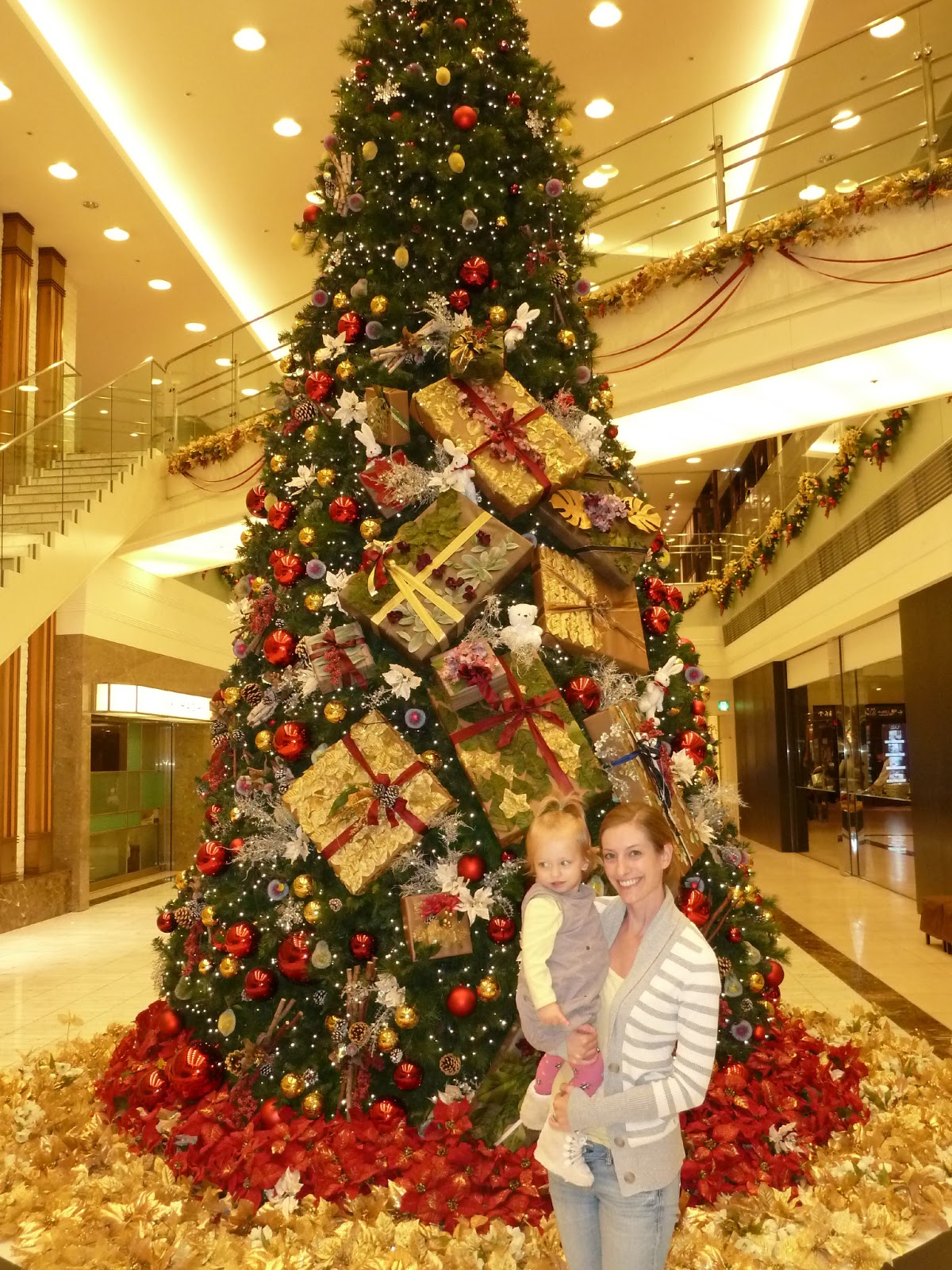
Christmas music plays in almost all stores, and you can even hear the popular tunes playing over the loudspeaker when you're walking down the street downtown. Christmas lights and elaborate displays are set up throughout the city, especially at major hotels and departments stores. The city is actually quite festive, and all of the displays and beautiful lights give me the comforting feeling of home. So even though we're half way across the world, the Christmas season here really reminds me of home.


The depressing part is that the city tears everything down on Christmas night. They must have employees working around the clock, because when you wake up on the 26th - everything is gone. It makes it feel like the holidays didn't even exist. It's a sad and empty feeling. And the feeling of home... gone.

Friday, November 23, 2012

Autumn Leaves


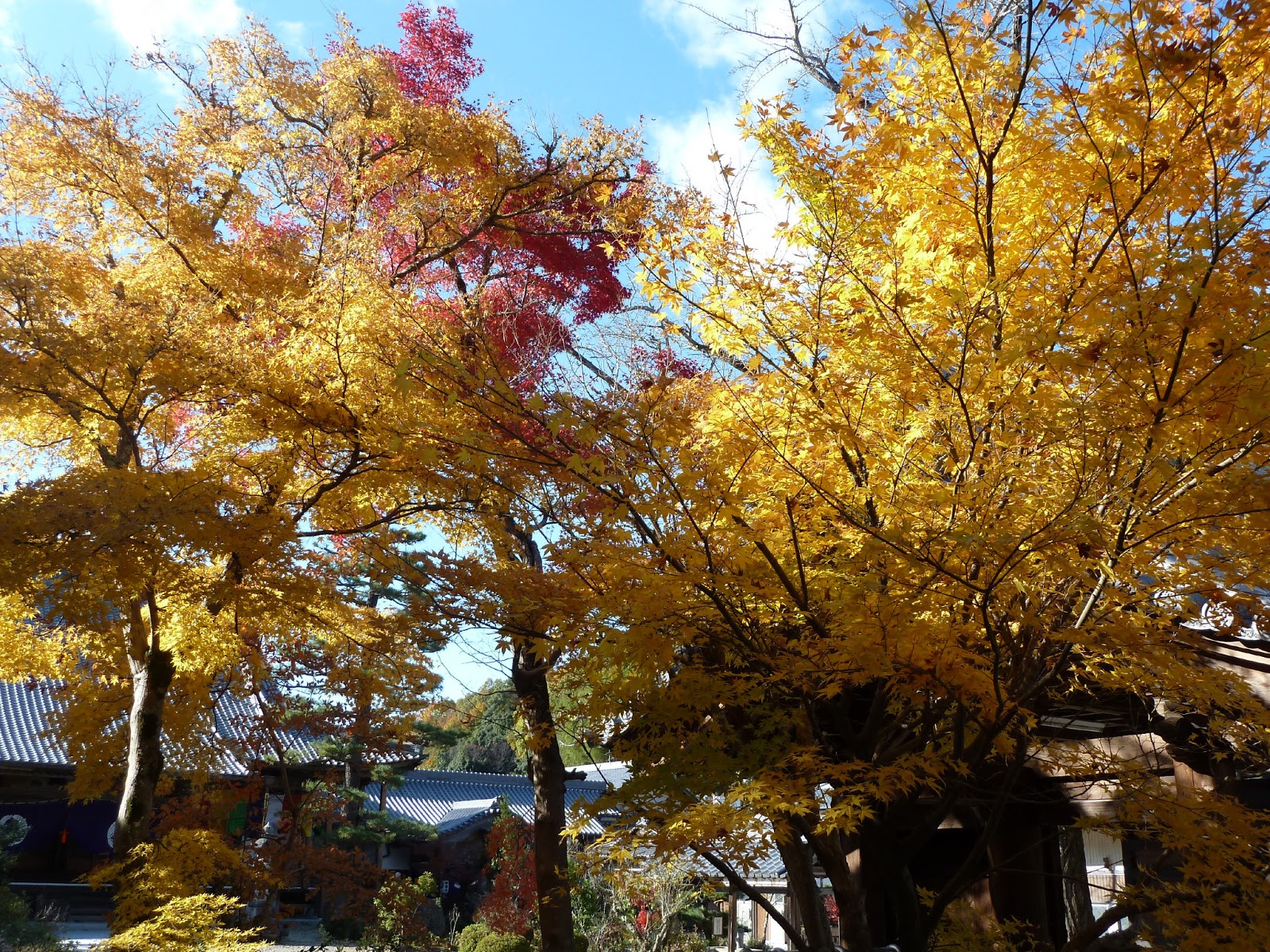
Fall in Nagoya is stunning - beautiful weather with colorful autumn leaves. Fall foliage is one of the most popular outdoor-friendly activities in Japan. There are several festivals and areas around Nagoya where you can enjoy the fall scenery. The most popular places to visit are the ones that light-up the leaves at night.


Unfortunately, we tried to go to one of the famous light-up spots - but were unsuccessful. We should have known that EVERY single person in the area was also trying to go see the leaves, so the traffic backup was just awful. After sitting in a line up of cars for just under an hour and not moving but a few feet, we decided that it just wasn't worth it - so we turned around and went home.

It's really too bad we couldn't see the famous red maple leaves lit-up at night at korankei gorge. This was on the top of my list of sites to see in Japan before we leave the country. But it is what it is, and we should have known better anyway. ANY site-seeing activity in this country is bound to come with thousands of people, traffic jams, no where to park, long lines, and the list goes on and on.

Friday, November 16, 2012

MHI/Boeing Picnic

We went to the first ever MHI/Boeing picnic at a nearby farm in the suburbs of Nagoya. It was a great way to finally meet some of Joe's co-workers. We lucked out with an absolutely beautiful day, so we were able to enjoy the sunshine, in the fresh country air, surrounded by friends and animals. It was Elodie's first time to see the farm animals, so it was a fun day for her too!


I don't know why I thought we'd be having grilled burgers and hotdogs for lunch - I guess I just assumed that since we were having a picnic BBQ, that's what we'd be eating. But I guess I should have known that Japanese-style picnics are much different than American style BBQ's! They cooked up some fresh "yakiniku" otherwise known as grilled meet and veggies, which you then dip in a variety of sauces. Although it was good, I think I prefer American-style BBQ's with burgers, corn on the cob, and potato salad much better. ;)

Monday, October 22, 2012

Noh Theater

"Noh," derived from the Japanese word for "skill" or "talent," is one of the oldest existing forms of theater. It's a musical drama that has been performed since the 14th century.  Many characters are masked, and men generally play both male and female roles.

The traditional stage consists of a pavilion whose architectural style is derived from that of Shinto shrines, normally composed almost entirely of cypress wood. The floor is polished to enable the actors to move in a gliding fashion. The only stage decoration is the painting of a pine tree at the back of the stage. There is also a narrow bridge to the right of the stage that actors use to enter the stage. It's very simple, and stunning.

Noh theater is accompanied by a chorus. It's a chanted drama, using lengthy and repetitive phrases.  The ensemble also consists of 4 musicians, my two favorites are in the photo above.

The costumes (robes/kimonos) worn by actors are typically adorned in symbolic meanings for the type of role they are playing. In addition to their elaborate costume, they also wear masks. The noh masks are carnved from blocks of Japanese cypress, and then painted. Usually only the main actor wears a mask. The only prop used during the entire performance is usually a fan. You can see it closed in her right hand.

The show was actually quite long. The pre-performance show lasted about 30-45 minutes, and then the actual show took about 2 hours (or maybe even longer, as I'll admit that we left about half way through). I read that shows sometimes last all day. Although a bit boring, we enjoyed the overall Japanese experience of seeing a traditional theater performance.

Monday, October 15, 2012

Ise Shrine, Mie Prefecture

We took a weekend trip to Mie Prefecture, a couple of hours drive from Nagoya, to see the famous Ise Jingu Shrine - otherwise known as the Grand Shrine of Ise.

Ise Jingu consists of two shrines: the Outer Shrine (Geku), which is dedicated to the Shinto diety of clothing, food, and housing, and the Inner Shrine (Naiku), which enshrines the most respected deity, the Sun Goddess.

The two shrines are actually quite far from one another, separated by the densely wooded forest. I read that unlike most other Shinto shrines, these Ise shrines are built in a purely Japanese architecture style, which shows no influence from the Asian mainland. The site of the Ise Shrine has long been sacred, due to its forests of sacred Japanese cypress trees.

Being so well known as one of the most extraordinary grand shrines in Japan, I was expecting... well... "grandness." But really, these shrines were amazingly simple. Set in the forest, there is really nothing but trees, gravel lanes, and wooded building.

As you already know, I like to tell about adventures with pictures, so here's a slideshow of our trip!

Day 1: Unagi lunch, Ise Outer Shrine, fireworks at the hotel
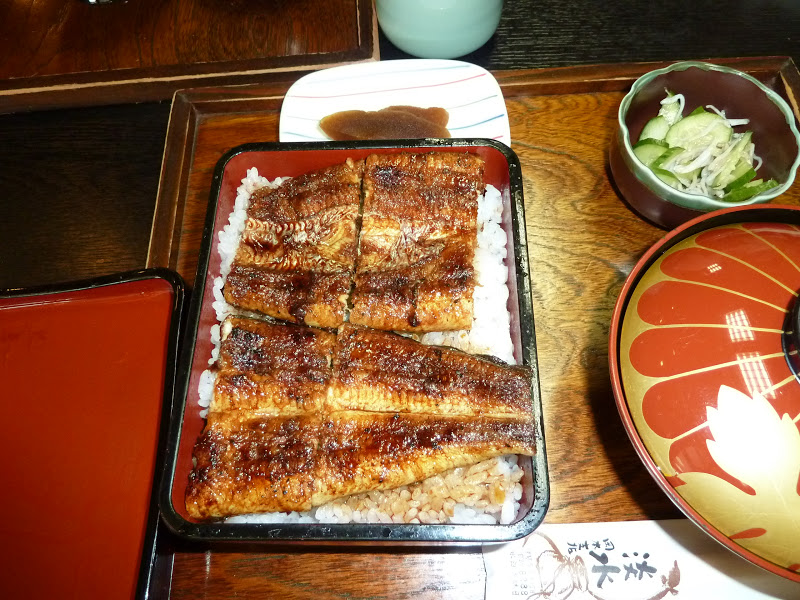
Eel lunch... delicious!

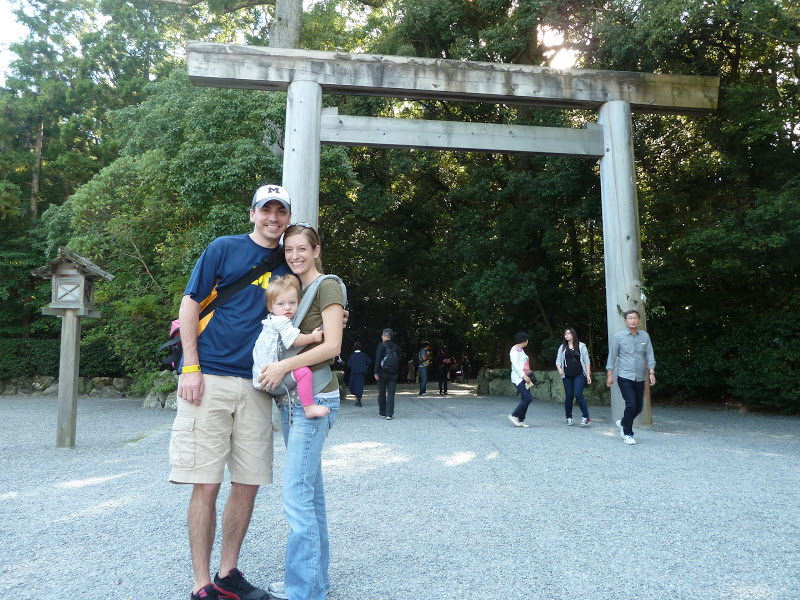
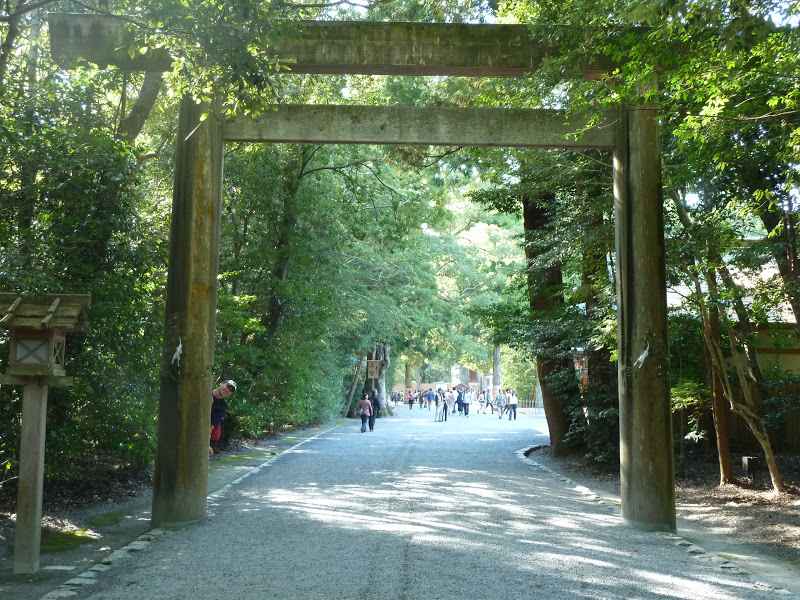
The entrance gate to Ise Outer Shrine, you walk down this path through the woods to reach the main shrine.

Walking down the path to the main shrine (do you see Joe peeking his head out?)

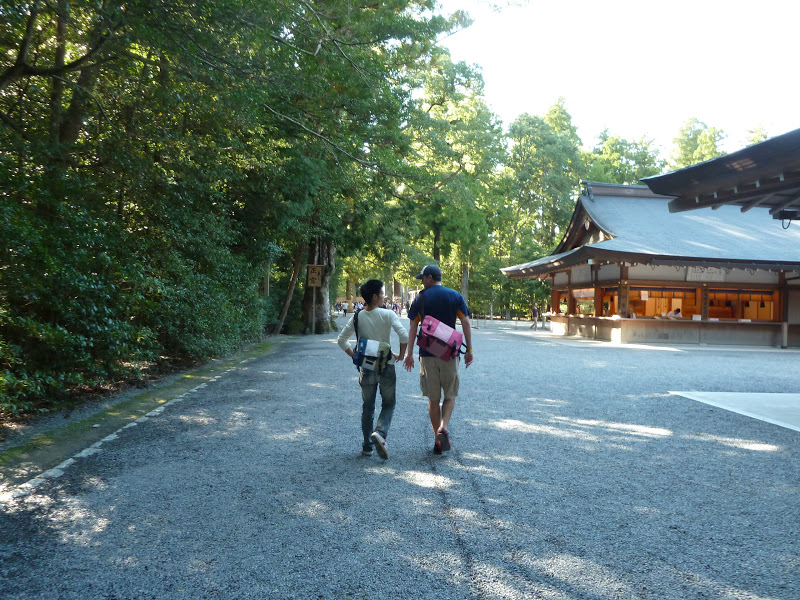
I love this picture of Taku and Joe.

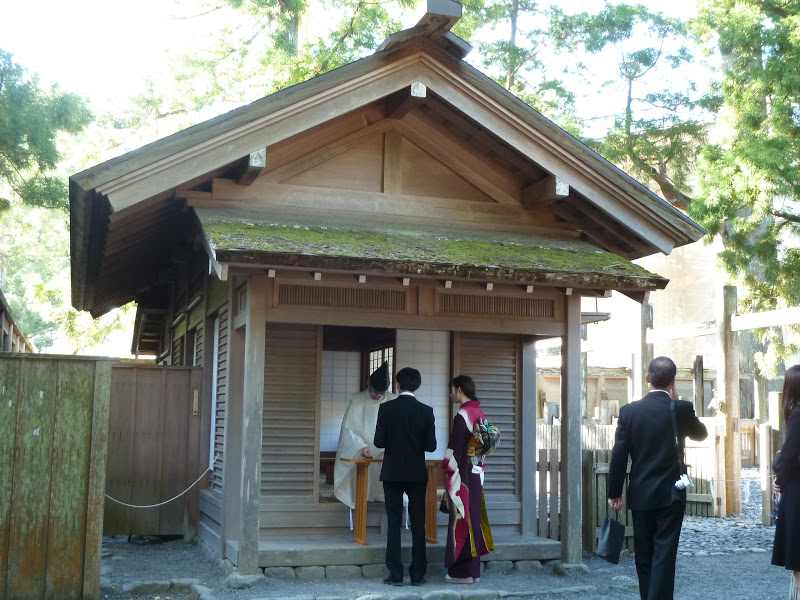
Outer Shrine's main entrance.

Pictures are strictly forbidden inside (which I didn't know!) and managed to snap this shot before being yelled at by security.

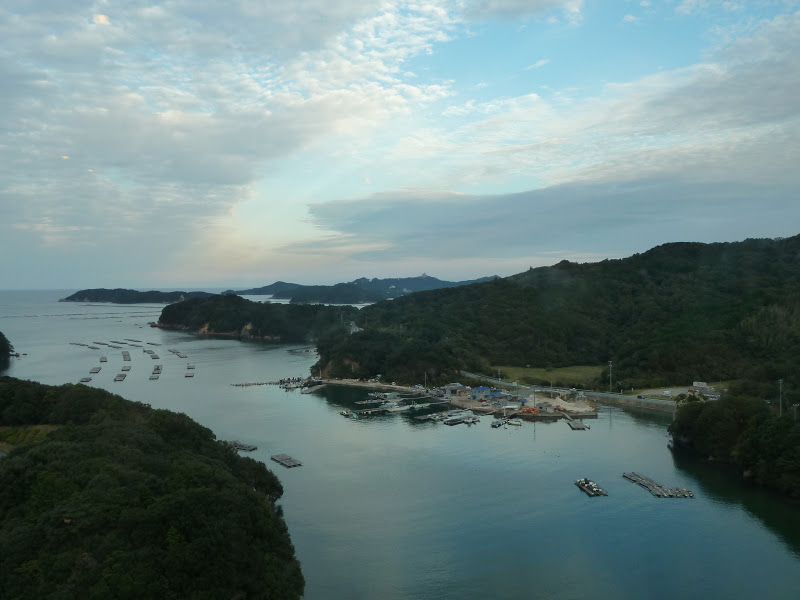
Mie Prefecture is right on the coast. This is the view from our hotel room.

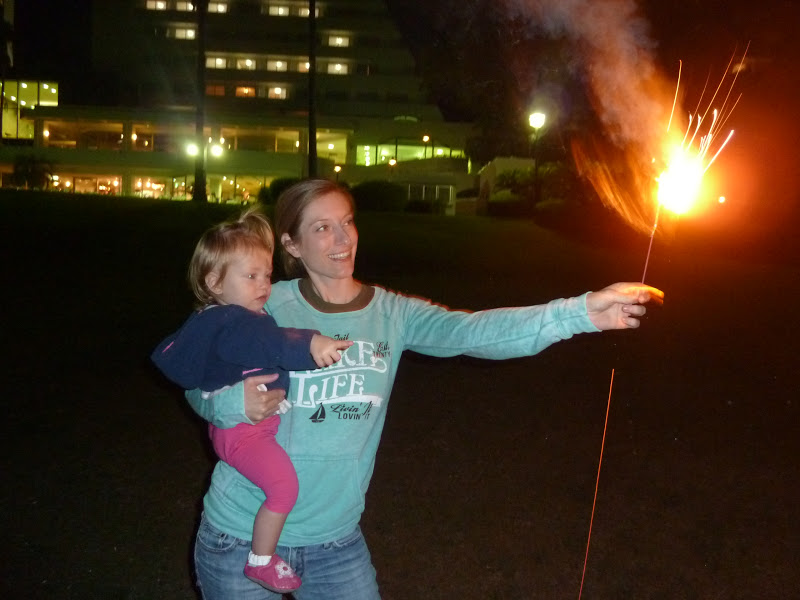
Miyoko brought some fireworks, and we lit them on the beach!

Ise Day 2: scenic drive down the coast, Ise-style udon for lunch, walking through Ise town, Ise Inner Shrine, tea and akafuku mochi dessert at a Japanese tea house.
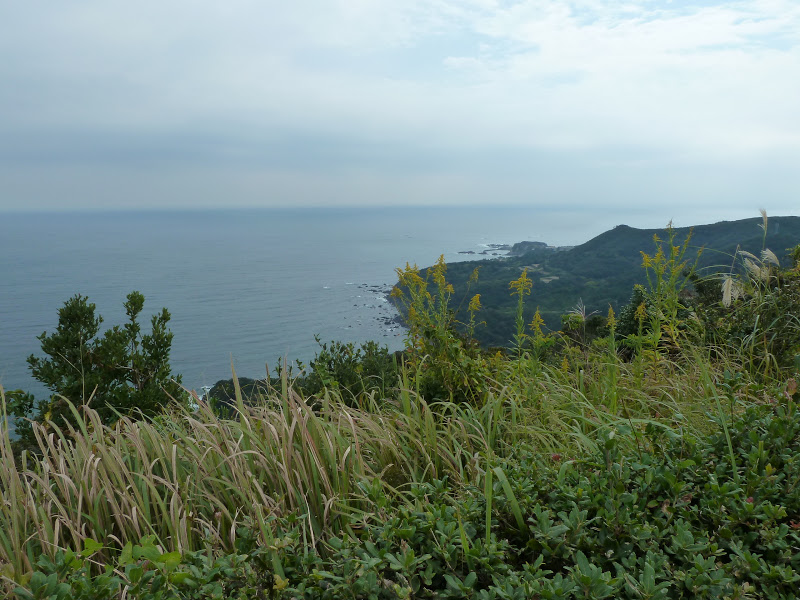
Rest stop along the way on our scenic coastal drive.

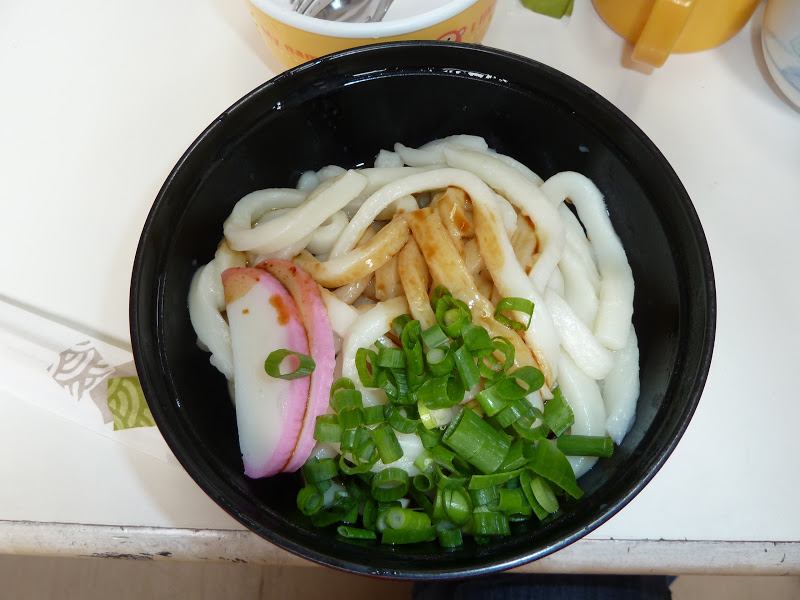
Udon is my favorite Japanese dish. Each prefecture has their own style, so I was excited to try Ise's famous udon noodles. Ise udon = concentrated soy sauce and sweet Japanese cooking sake are used to crate a black broth, which is then poured over thick, handmade noodles. Topped with spring onion. It was really yummy, but I have to say that I prefer Nagoya udon! :)

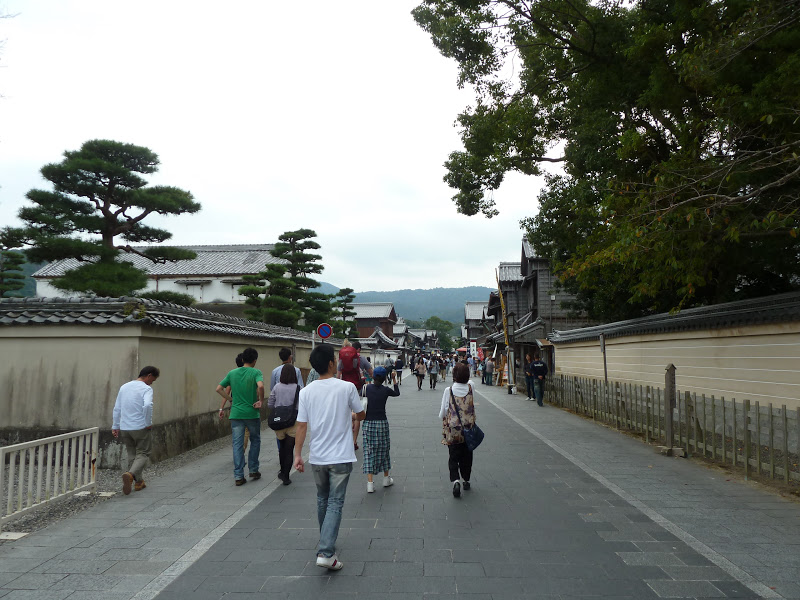
Walking through the town of Ise to the Inner Shrine.

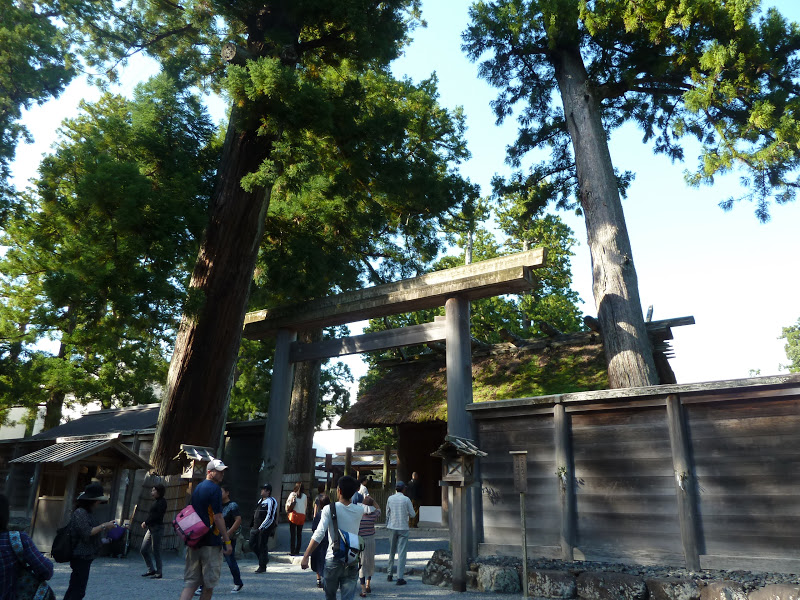
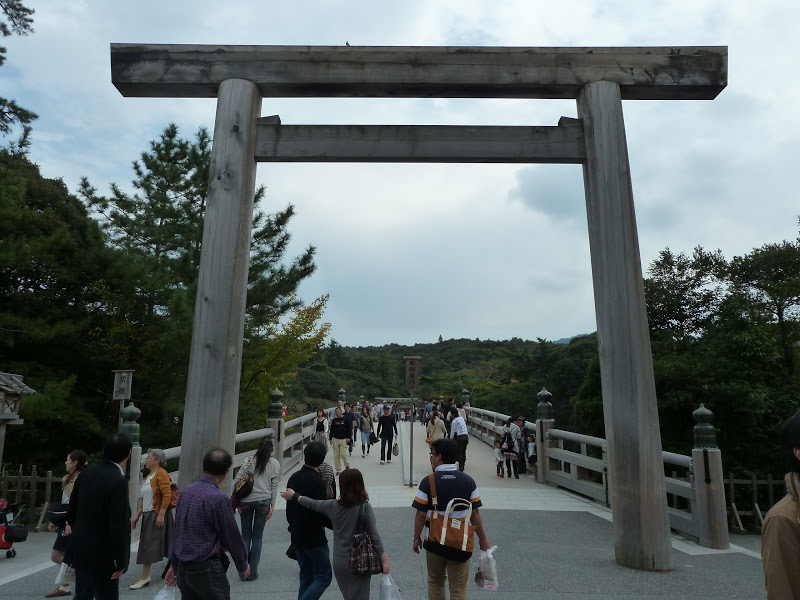
Entrance gate and bridge to the main shrine.

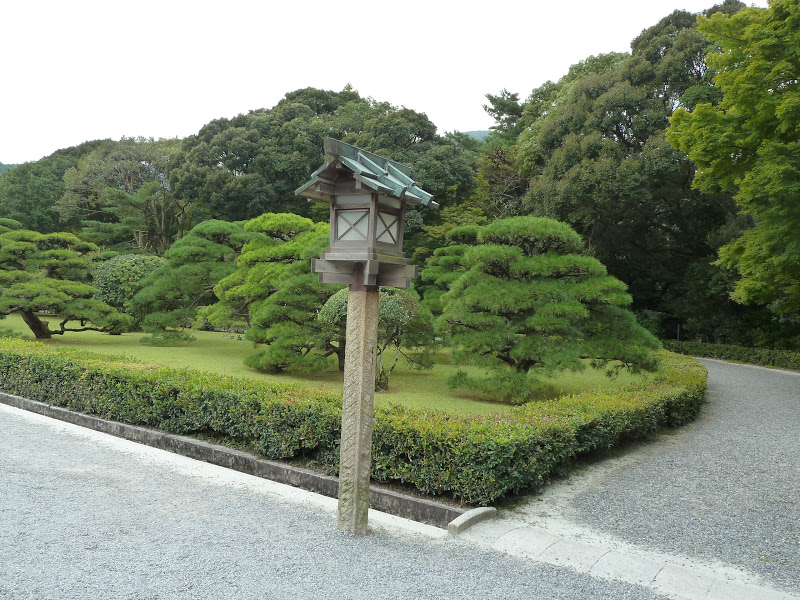
So many of these adorable lanterns everywhere throughout both the Outer and Inner shrines.

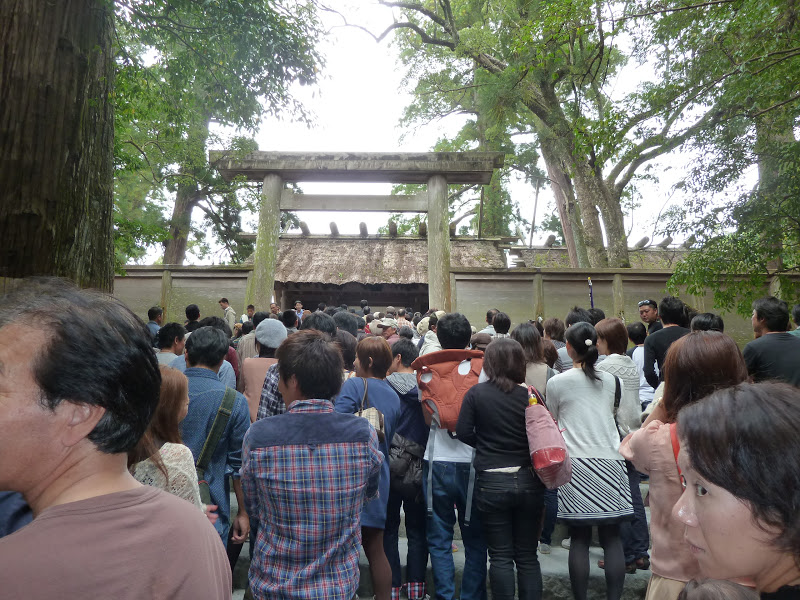
Crowds waiting their turn to enter the Inner Shrine's main gate. Sorry, no photos allowed inside.

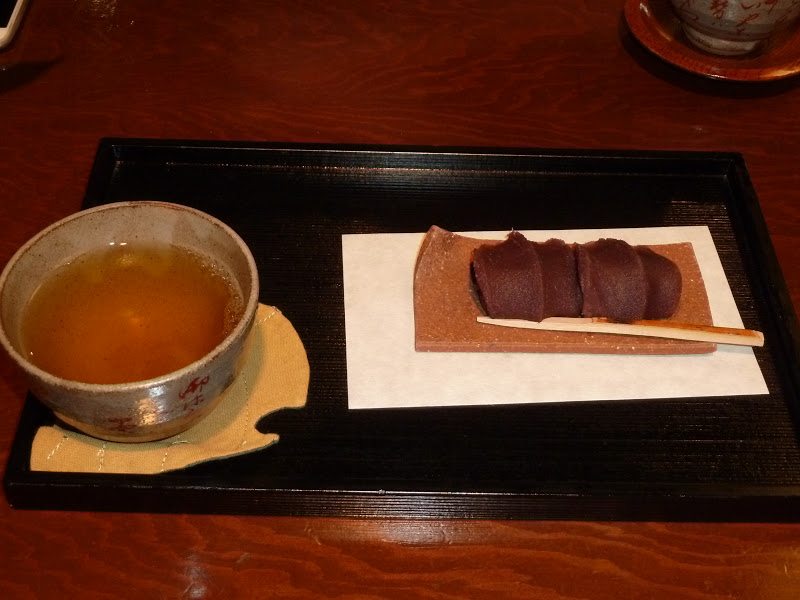
Akafuku Mochi dessert and tea. Akafuku mochi is a pounded rice cake confection topped with a sweet bean paste. The shape symbolizes the Isuzu River which flows through the Ise Grand Shrine region, with three ridges in the sweet bean paste representing the clear water that flows through the river, and the white mochi depicting the pebbles that lie on the riverbed. Wow, Japan's attention to detail and symbolism always amazes me!!!

We had such a great trip with wonderful friends. I love traveling in Japan, especially with friends who know the culture and region well. It's like having our own personal tour guides! :)  Thank you Miyoko & Co. for a great trip.